
Adipose-Derived Stem Cell (SVF) Therapy

What is adipose-derived stem cell therapy?
Adipose-derived stem cell therapy uses a patient’s own fat tissue as a source of biologic material to support healing in certain orthopedic conditions. Adipose tissue contains a variety of cells, including mesenchymal stem-like cells and other supportive components that can influence inflammation and tissue signaling.
At Nevada Stem Cell RMC, adipose tissue is harvested in a controlled, medical setting, processed on-site the same day using specialized equipment, and then carefully injected into the targeted area using imaging guidance. Because the tissue comes from the patient, this approach is considered autologous.
This is a more involved procedure than PRP and is typically considered when symptoms are more significant, when PRP has not provided adequate relief, or when the clinical picture suggests a stronger biologic option may be appropriate.
How the procedure works
The process is designed to be precise, controlled, and physician-led:
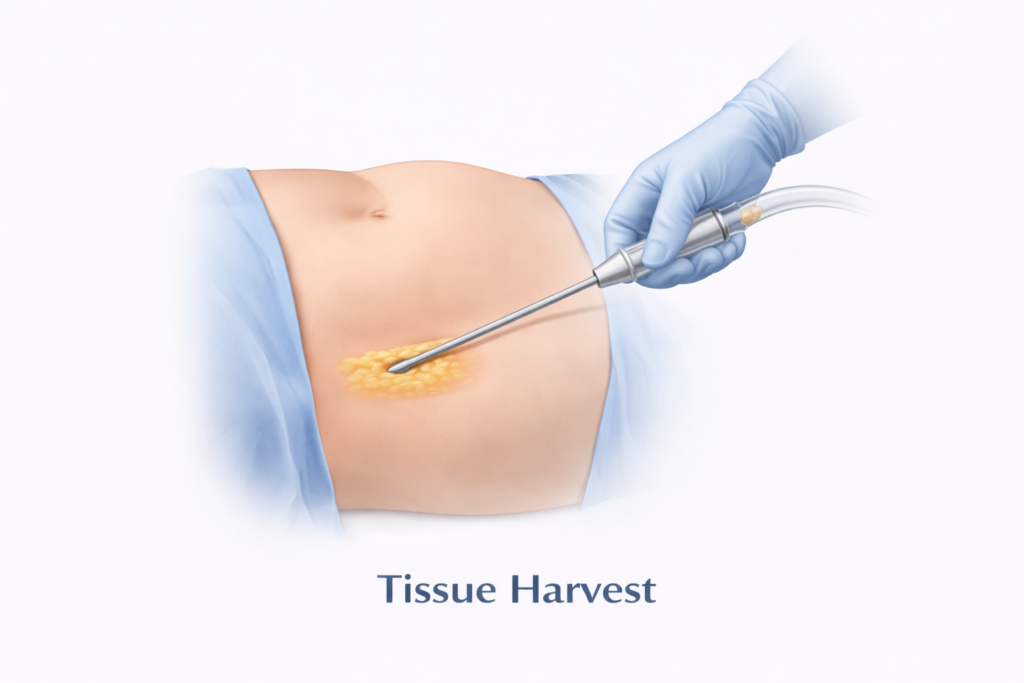
Tissue harvest

Same-day processing (SVF)

Image-guided injection
The entire process is typically completed in a single visit.
How this compares to PRP
Cell banking option
What this treatment can and cannot do
What conditions may be treated
Adipose-derived therapies are most often discussed for orthopedic conditions involving:
- Hip pain
- Knee pain
- Shoulder pain
- Wrist and upper extremity conditions
For spine-related conditions, injections are handled by a pain physician to ensure appropriate expertise.
Not every diagnosis is appropriate for this type of treatment. Severity of disease, joint structure, prior surgery, overall health, and activity level all factor into candidacy.
Other Services
Explore Common Questions About Nevada Stem Cell RMC
Is this FDA-approved for arthritis?”
How long does it take?
What joints do you treat?
Procedures performed by an MD/DO. No delegated injectors.
Fluoroscopy with IV contrast to confirm accurate positioning before injection.
We discuss options, pros/cons, and alternatives, not everyone is a candidate.