
PRP Therapy Explained
Use your own body to repair yourself.

What is PRP Therapy?
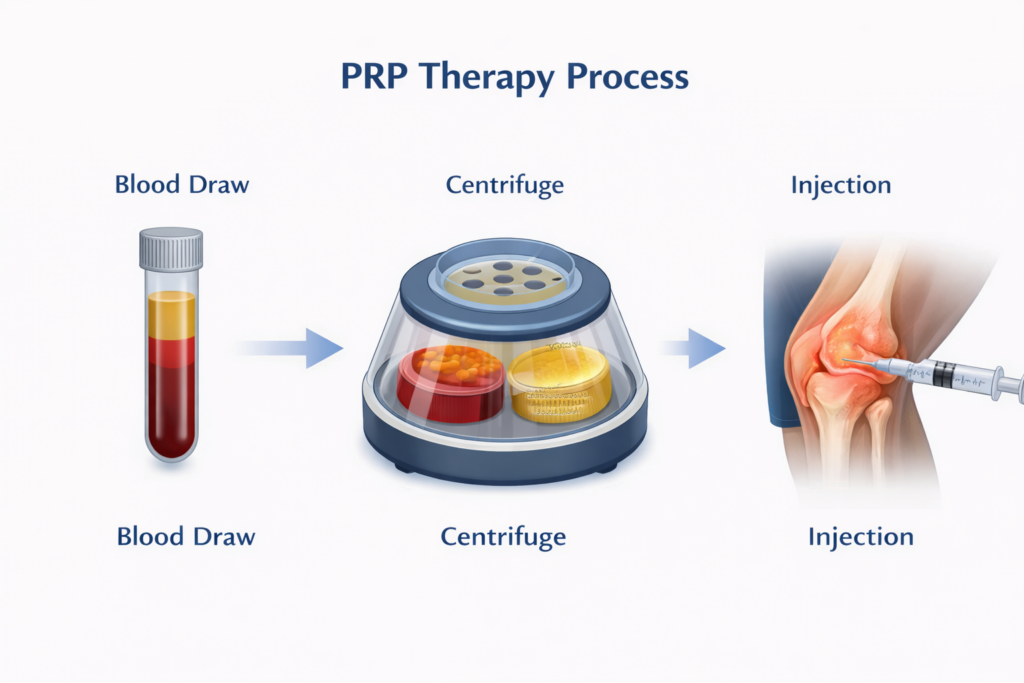
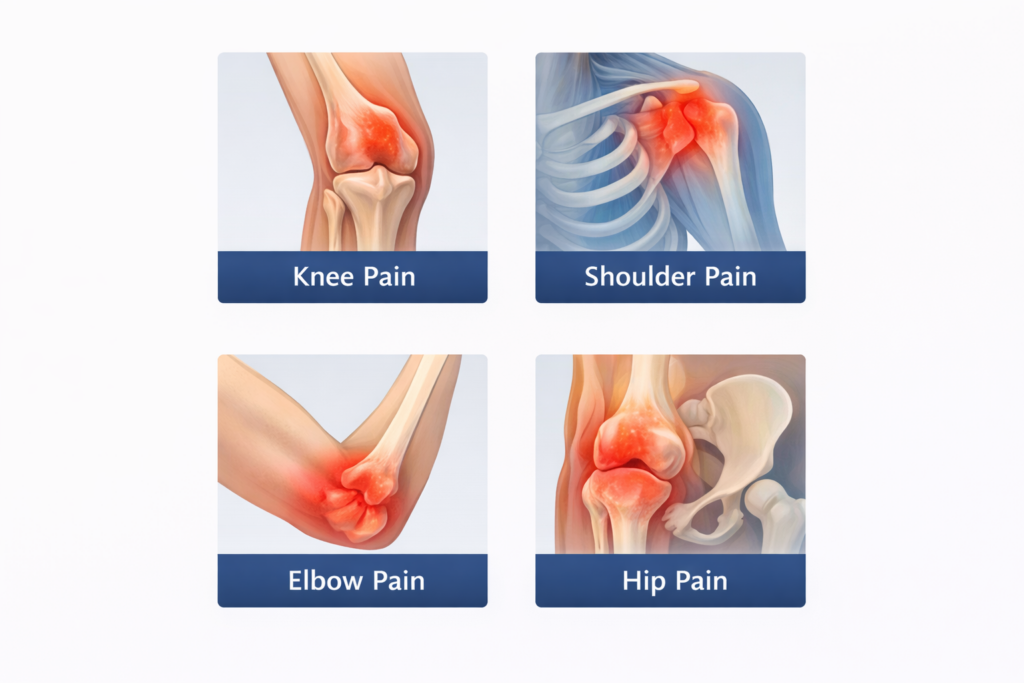
What Does PRP Help With?
PRP is most commonly used for certain tendon and ligament problems and for some types of joint pain, including mild to moderate osteoarthritis. The goal is usually to reduce pain and improve function over time. It is not an instant fix. Most people who respond notice improvement gradually over several weeks to a few months.
Setting Realistic Expectations
PRP Therapy is not a miracle cure, and the responses will vary based on many factors such as the condition being treated, how advanced the damage is, overall health factors, and activity demands.
PRP will not rebuild a severely arthritic joint, and does not replace surgery when surgery is needed. It can, however, speed up the healing process, reduce pain, and increase the overall quality of life for many patients.
Explore Common Questions About Nevada Stem Cell RMC
Is this FDA-approved for arthritis?”
We’ll explain what’s known, what’s uncertain, and what that means for you during your consult.”
How long does it take?
Most patients think in weeks-to-months, not days.
What joints do you treat?
Hip, knee, shoulder, wrist; spine injections via pain physician.
Physician-only care
Procedures performed by an MD/DO. No delegated injectors.
Precision matters
Fluoroscopy with IV contrast to confirm accurate positioning before injection.
Right tool for the right patient
We discuss options, pros/cons, and alternatives, not everyone is a candidate.